Driving digitalization at the scaleof global biopharma enterprisesrequires fluency in three languages:
- Lab realities
- Complex dataflow requirements
- Interdisciplinary business value
Hi, I'm
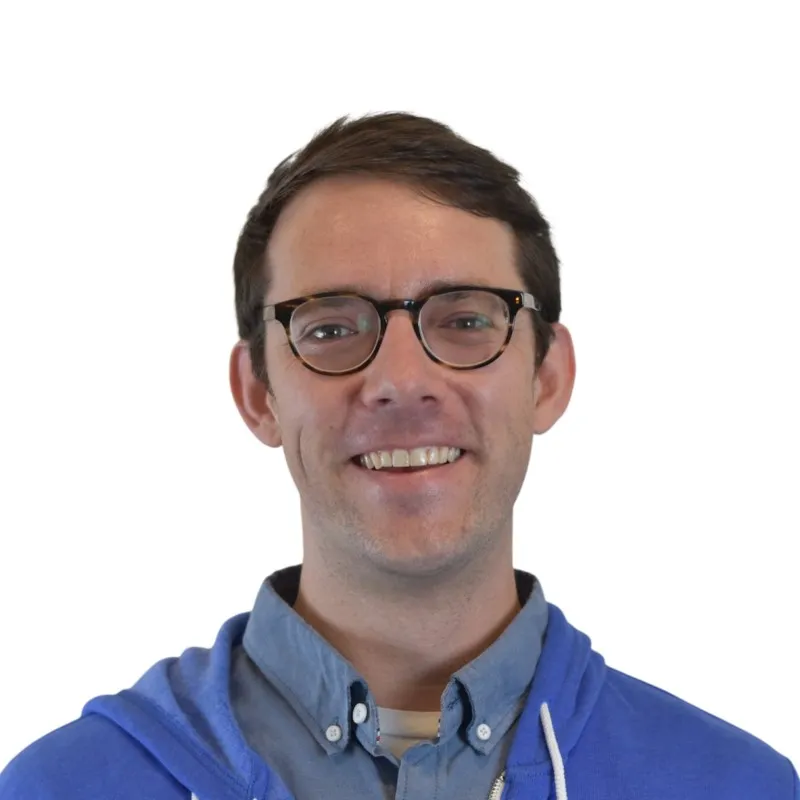
Ron Yadin
A synthetic biologist turned scientific computing team lead, turned Solution Consultant at Benchling.
I help prospective customers navigate IT & data science integrations with AI-native LIMS & data platforms.
- Formally trained in molecular biology, software engineering, and inclusive leadership — and, slightly less formally, in DevOps & CI/CD, cloud architecture, networking, and infrastructure as code
- Through my early-career work in highly automated industrial synbio, I learned how powerfully R&D could be force-multiplied by science-informed engineers — so I chose to focus professionally on bridging the wet lab and dry lab
- Across an enterprise biofoundry, two startups, and a mid-size company, I saw first-hand how the right digital strategy depends on where a company is and what it's prioritizing
- In a heavily regulated industry, the largest enterprises don't invest in new technology on merit alone; they invest when the business case is proven. So I moved into consultative value selling to master the third language: quantifying and proving the business value of digitalization
My ultimate mission: equip scientists with modern tools, so life-saving breakthroughs reach patients faster.
EXP_01 // Education
Coding since high school, formally trained in biology & software
The happy product of two pediatrician moms, and a self-taught coder since early high school, I was always destined to study both biology and technology.
Read more
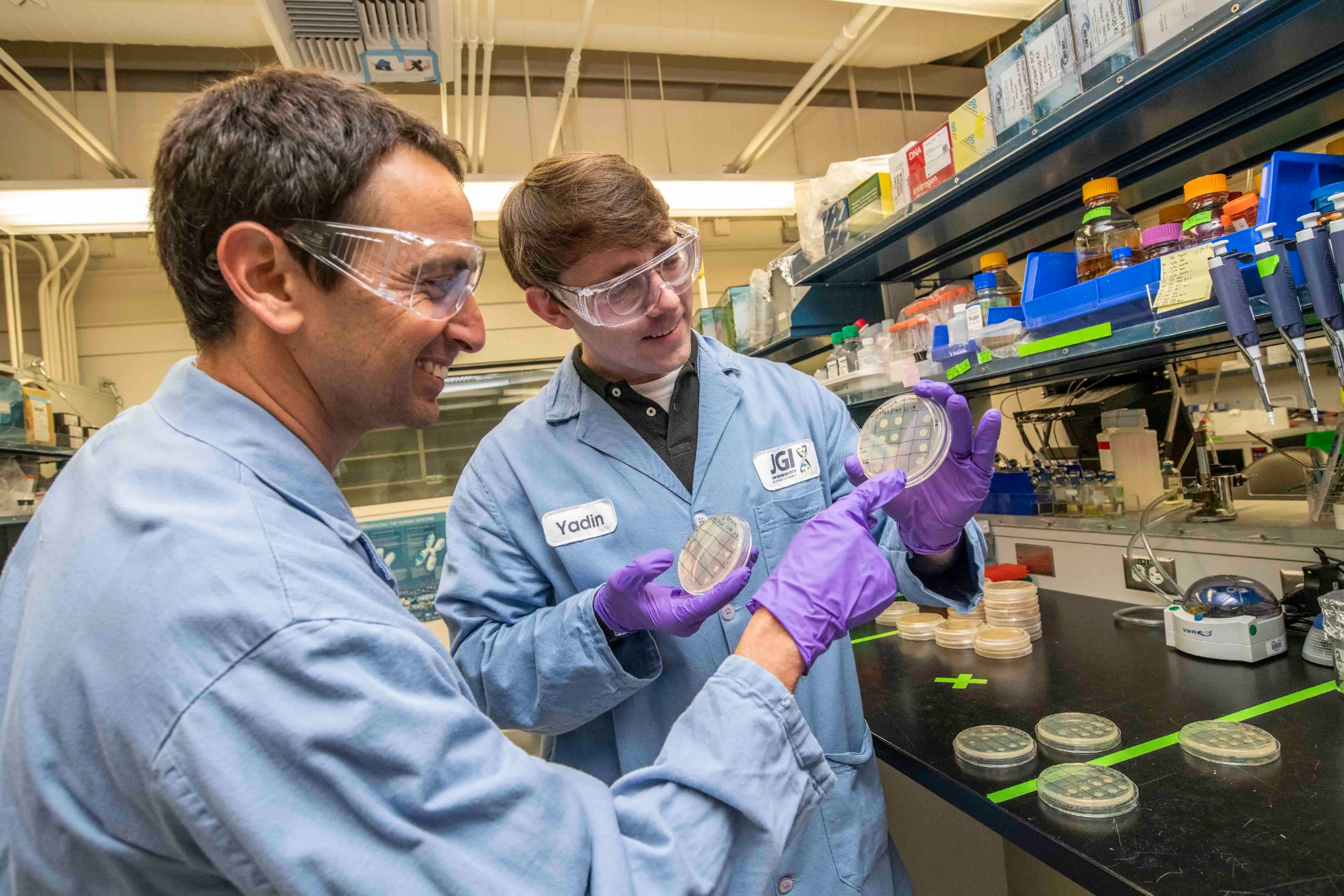
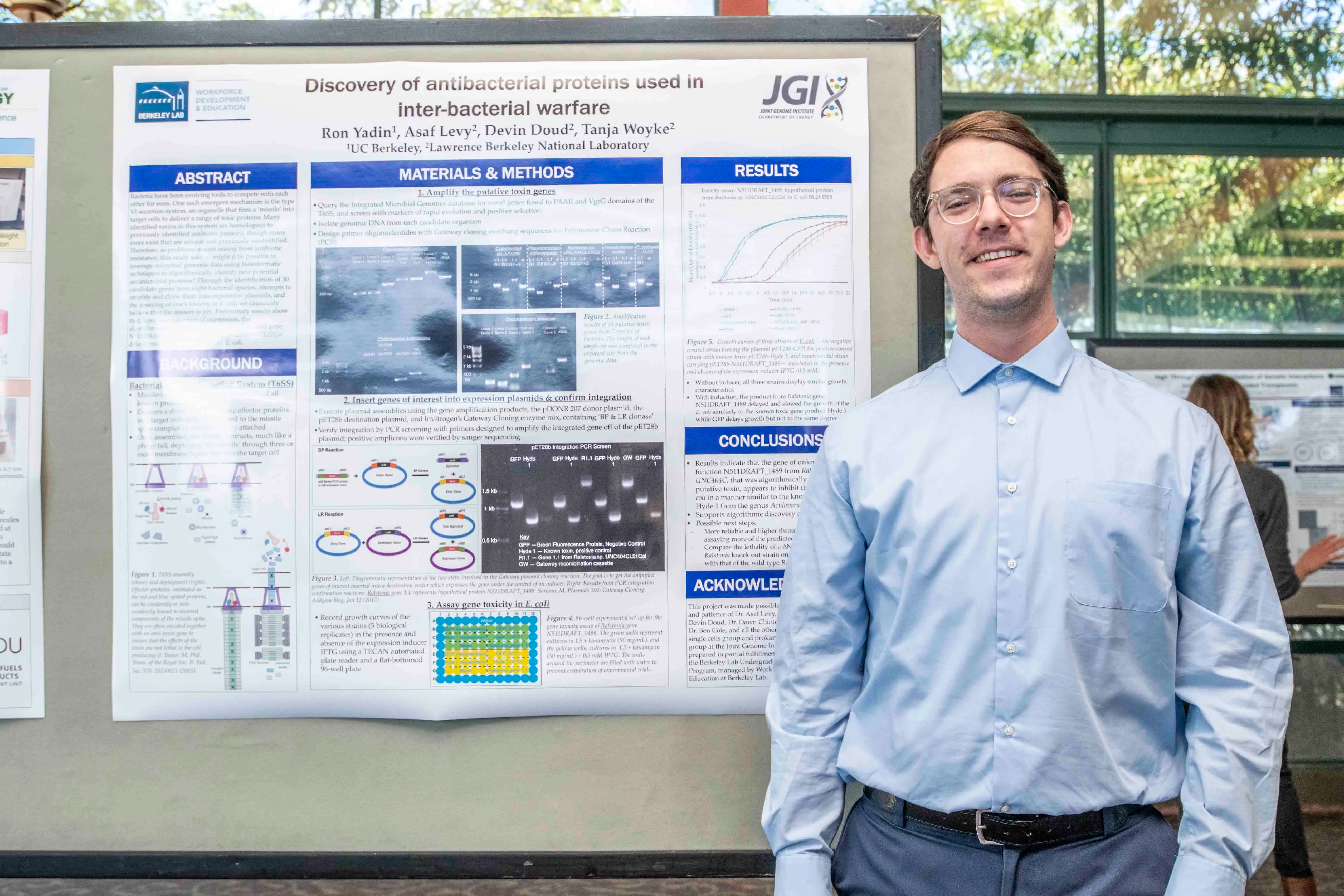
I began at Berkeley on the pre-med track, with coursework in molecular physiology, immunology, and endocrinology. Undergraduate research — on proteins bacteria use against each other, and on enzymes for biofuel production — then drew me toward applied biotechnology. Throughout, I kept programming independently.
After several years in industry, I joined the inaugural cohort of Berkeley's Molecular Science & Software Engineering master's program to formalize my software training: software engineering in Python and C++, data science, and machine learning. I completed the first year with a 4.0; when the curriculum shifted toward quantum chemistry, I withdrew to focus on my full-time startup role, and made the move into the dry lab, the goal from the start.
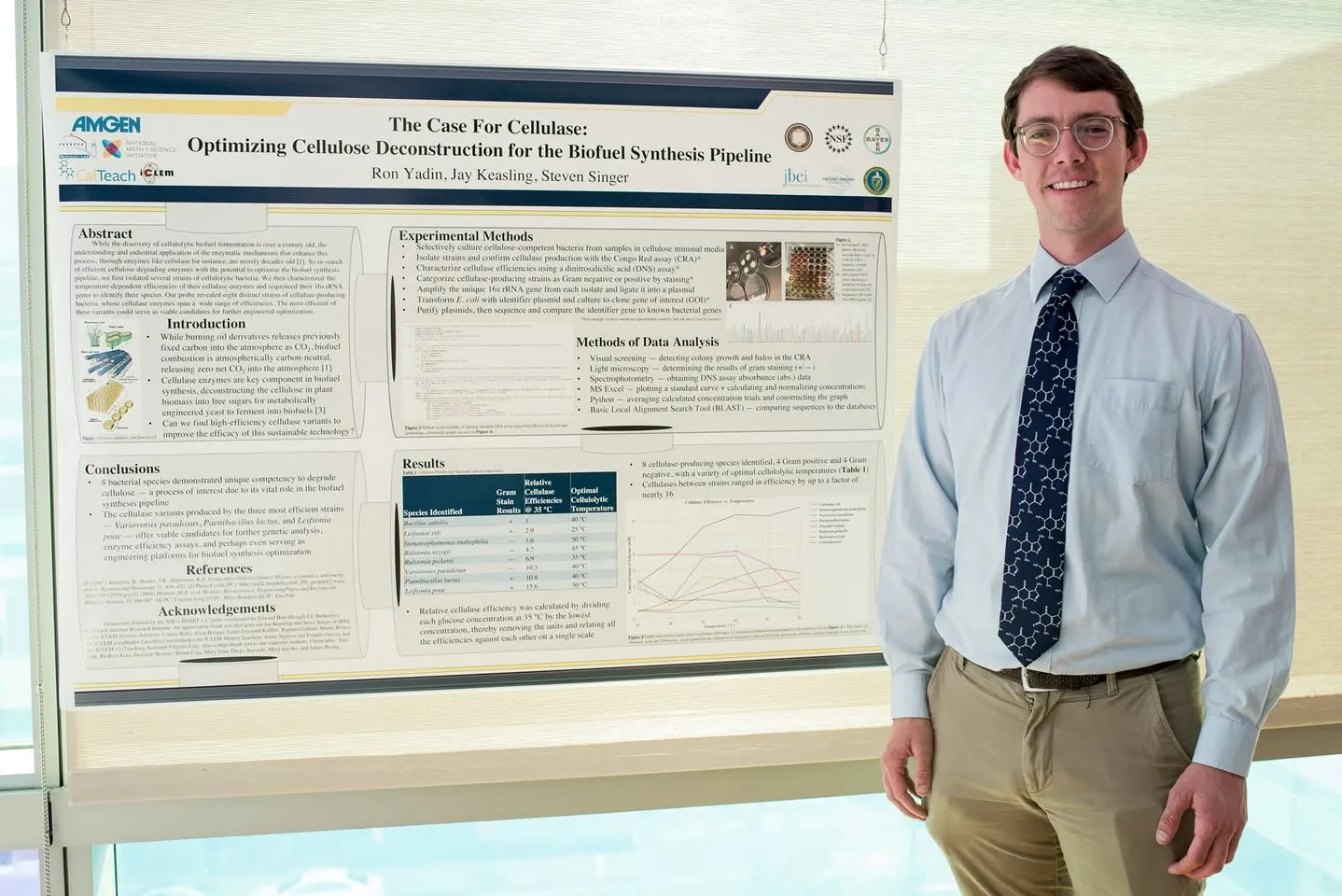
Side quest: teaching math & science
Science education has been a constant for me: a minor in STEM education, a year as an apprentice science teacher in Berkeley and Oakland public schools, and volunteering with three more programs — mentoring 7th graders through their own investigations in Berkeley Middle School's “Be a Scientist”, piloting the Lawrence Hall of Science's Biotech Learning Lab, and teaching yeast & fermentation lessons in Oakland elementary classrooms with Community Resources for Science.
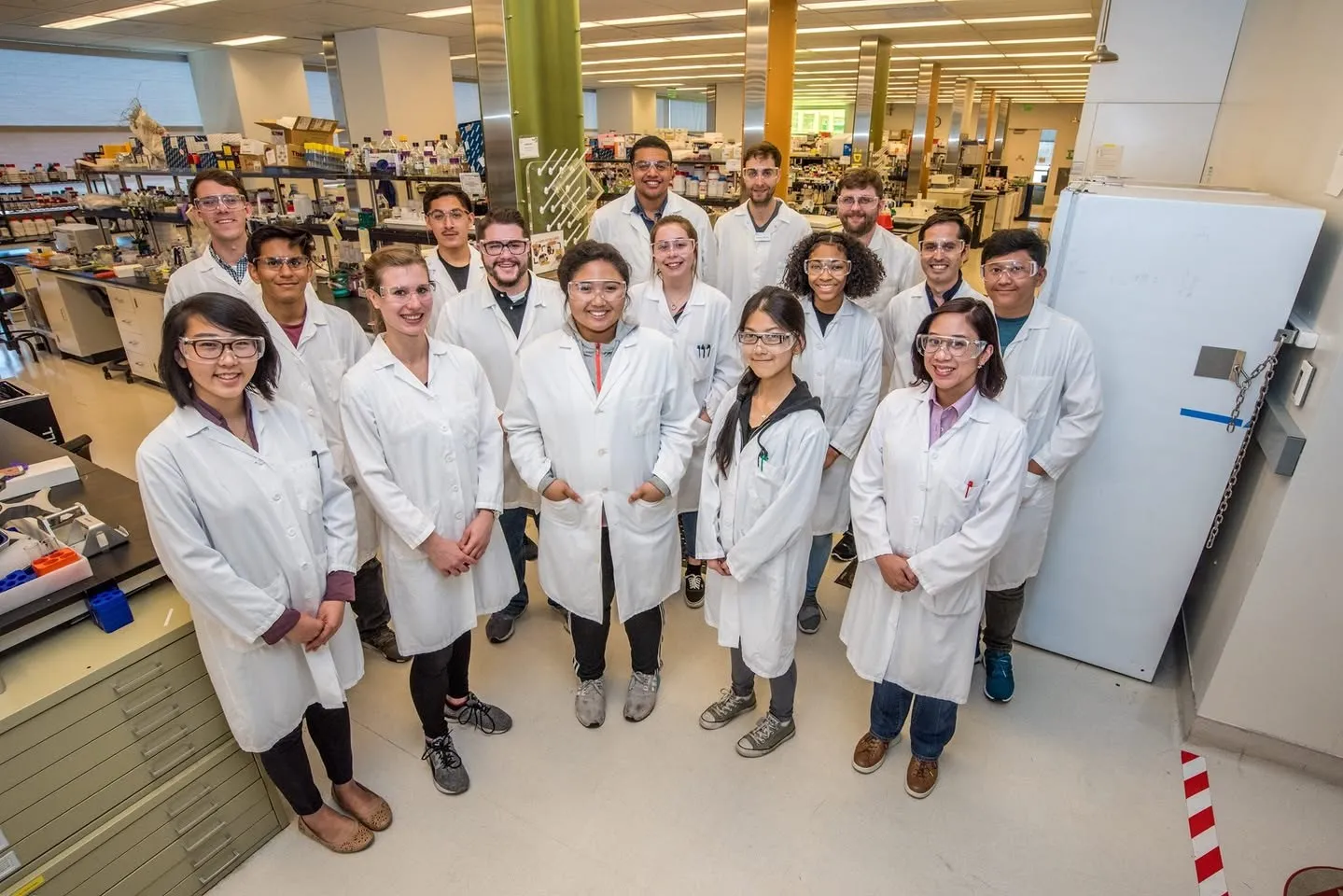
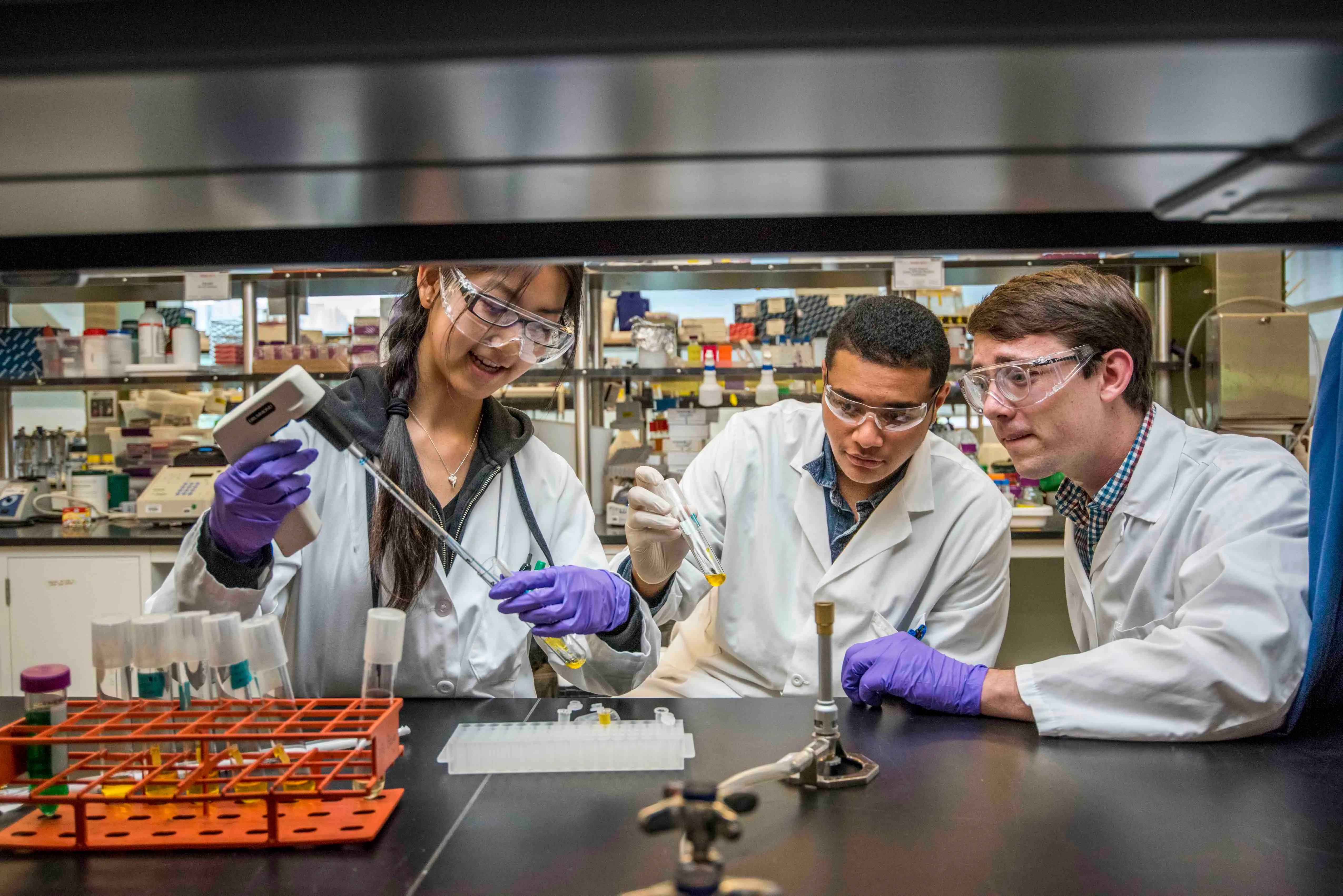
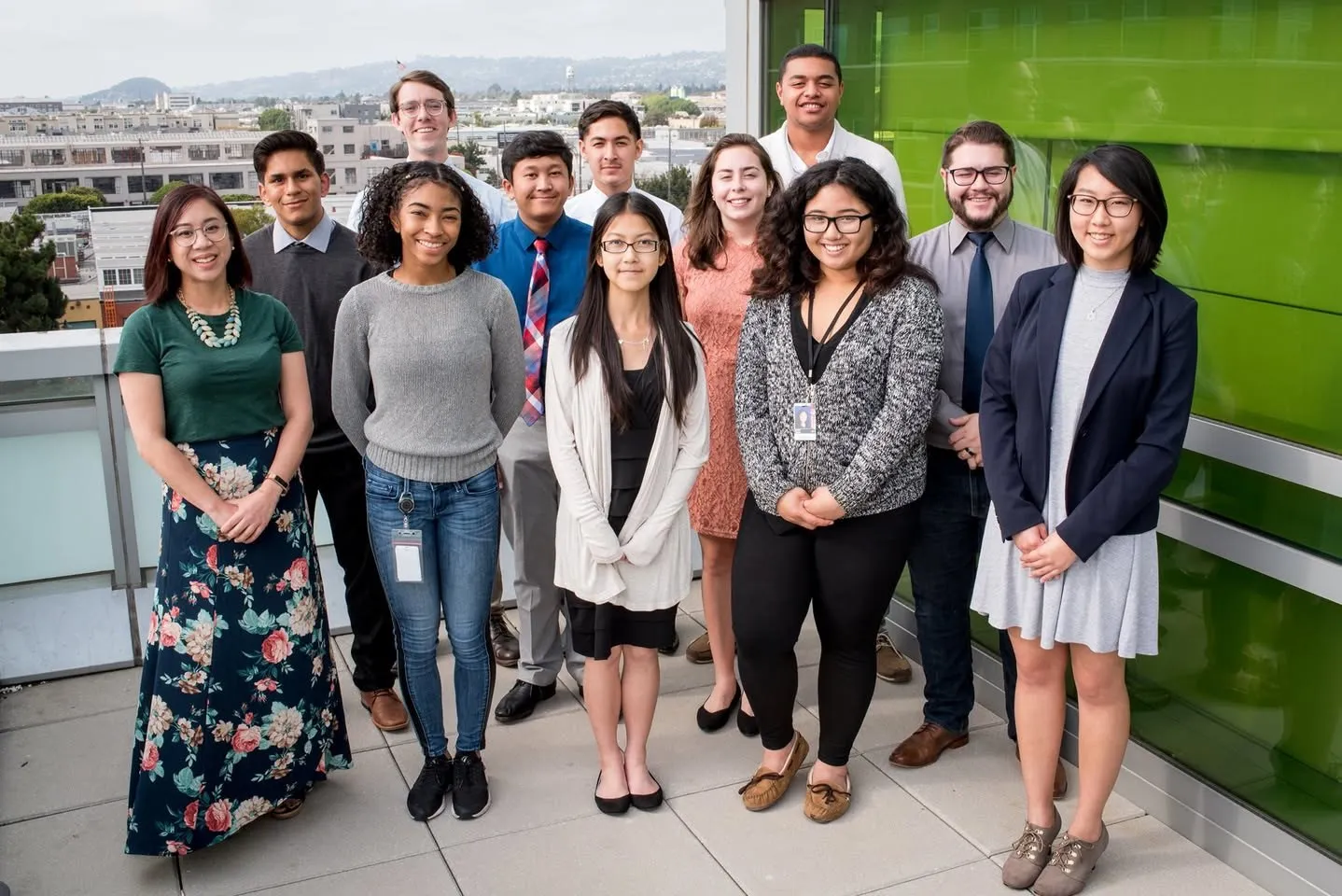
The most transformative: assistant teaching in iCLEM at the Joint BioEnergy Institute (JBEI) — a paid summer research intensive that brings Bay Area high-school students from underrepresented, low-income backgrounds into a working biotech lab. It's intentional action toward equity in STEM: opening the lab door to students who too rarely get the chance to see themselves there.
Teaching is where I learned that explaining complex science clearly is a skill of its own — one I've relied on in every role since.
EXP_02 // Wet lab
Five years at the bench, at scale
Engineering and screening microbes at scale, from an enterprise biofoundry to two startups, taught me that modern R&D moves only as fast as its data.
Read more
Amyris showed me what's possible: robotic workcells running DNA assembly, sequencing, and verification around the clock, on mature, enterprise-grade data infrastructure. It also showed me how few people could build that infrastructure.
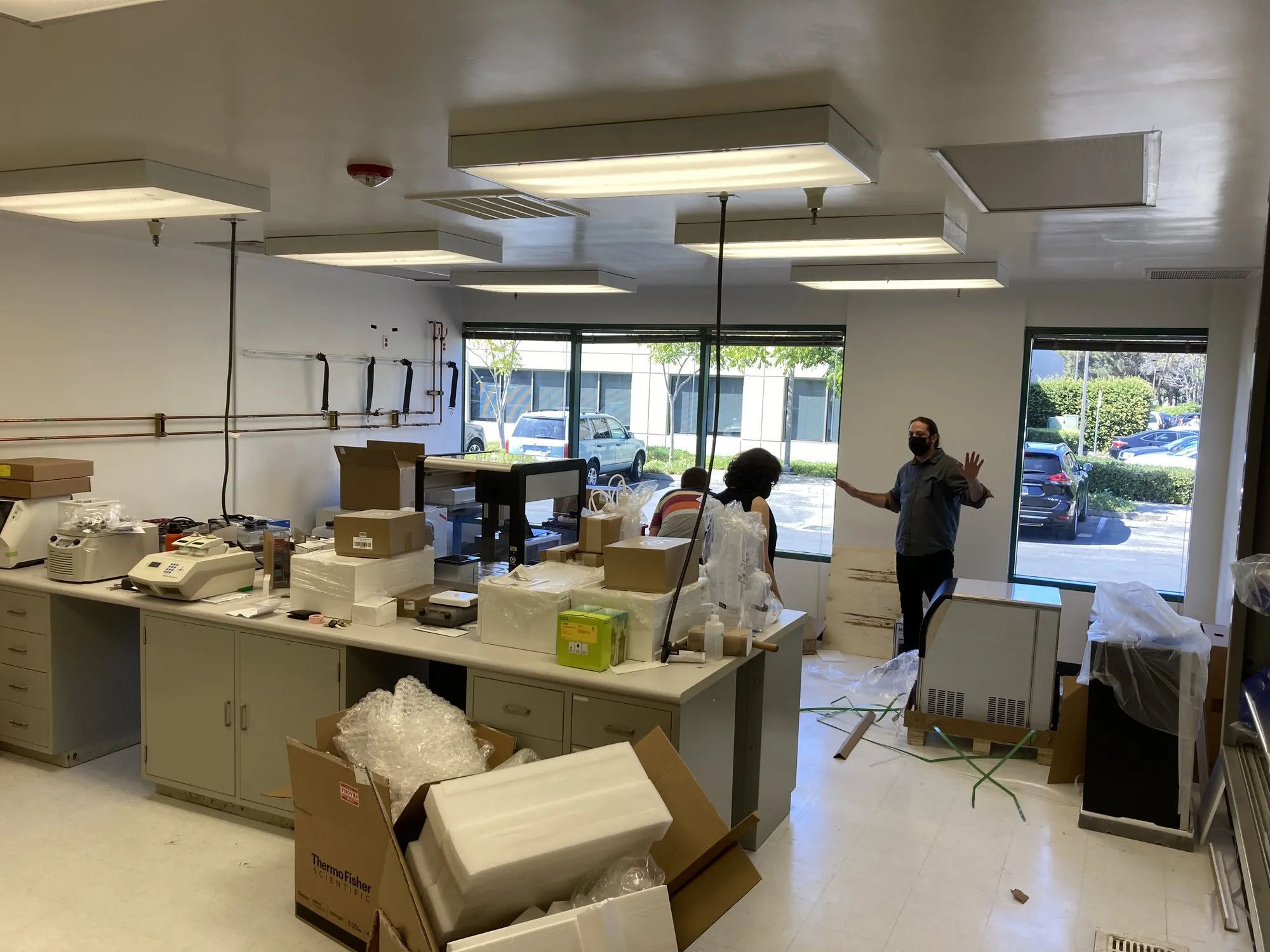
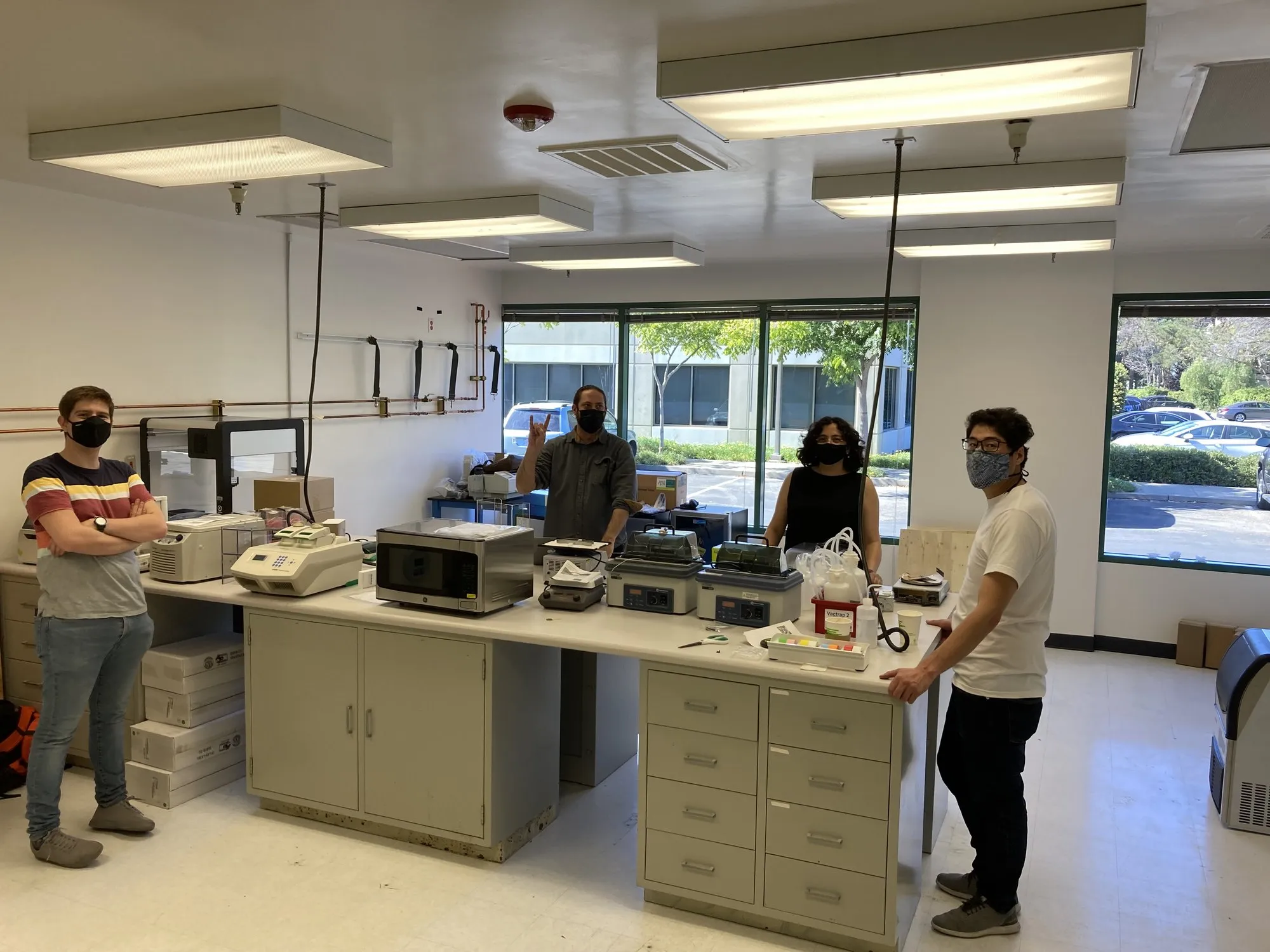
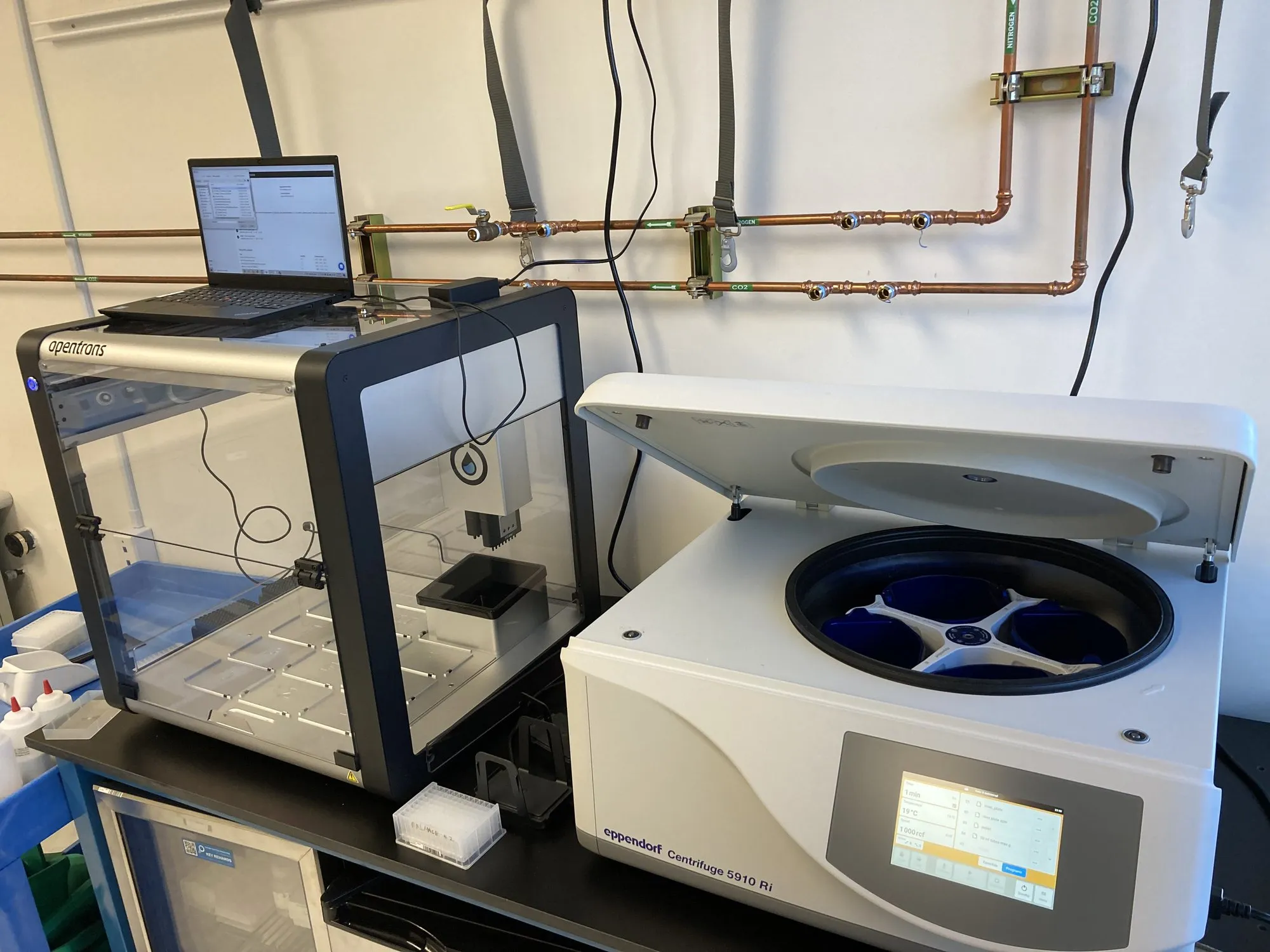
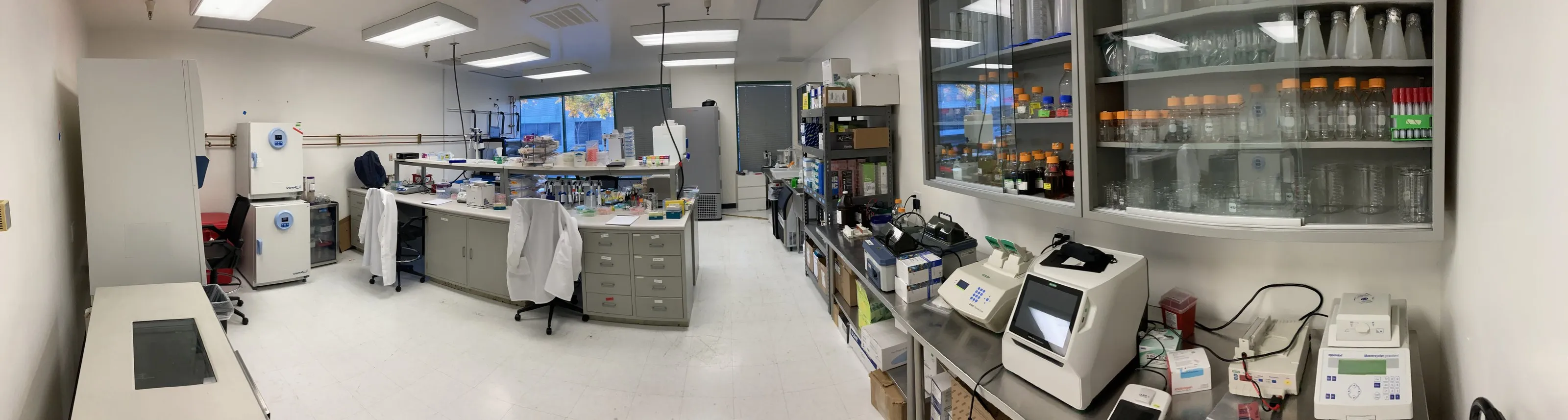
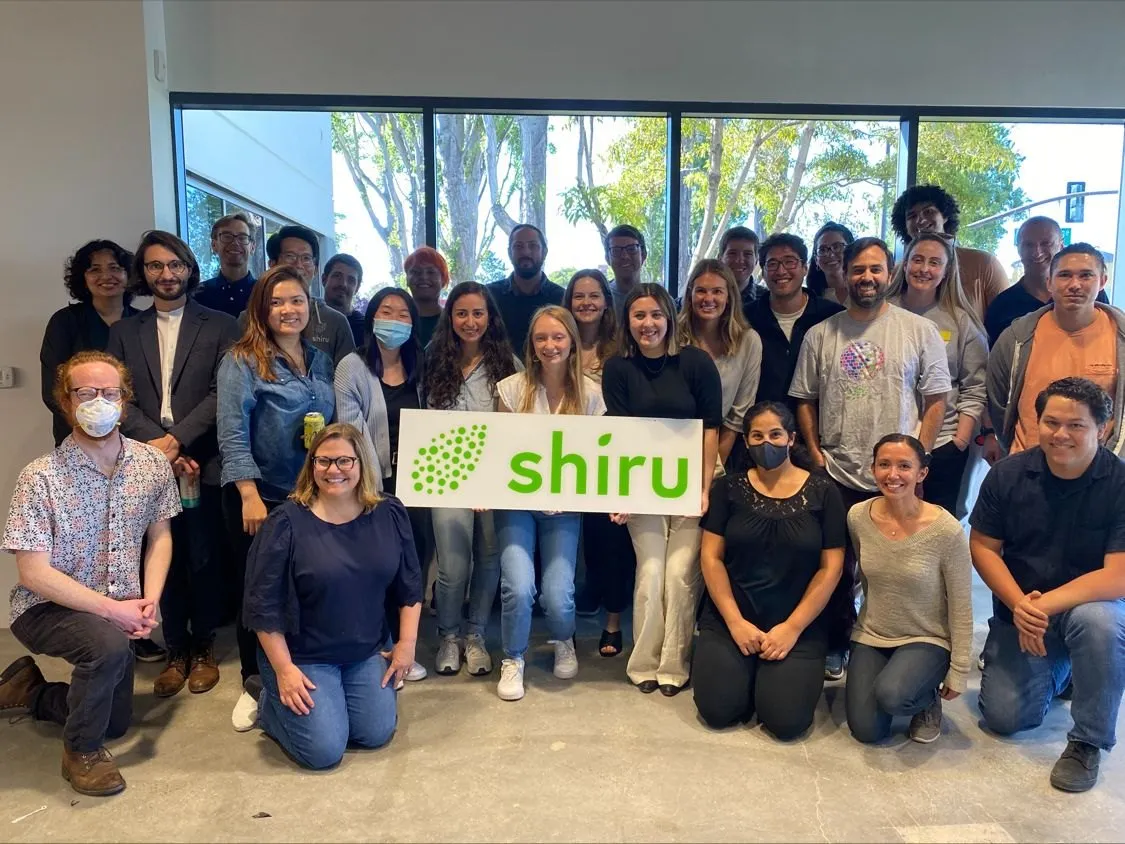
The startups showed me the other end of the spectrum: small teams building their tools and processes from scratch. At Sestina Bio I began writing Python and Benchling automation to multiply our team's design work. At Shiru I turned unstructured, low-throughput experiments into an automated screening platform, and helped build the lab itself — from a shared incubator bench to a purpose-built headquarters with liquid-handling automation, pilot-scale fermentation, and a test kitchen.
Seeing both ends taught me that the right digital strategy depends on a company's stage and priorities, and that the people who can bridge science and software are what most labs are missing.
EXP_03 // Dry lab
Doubling down on the dry lab
I made the move deliberately: learning from great mentors at Shiru, then founding 21st.BIO's dry lab as its first computational hire.
- 2020 – 21 · UC BerkeleyM.S. coursework, Molecular Science & Software EngineeringSoftware engineering for scientific computing
- 2023 · ShiruLab Data EngineerUnified Benchling data model across a 7-stage pipelineMentored by the CTO, Head of ML & a Sr. Data Scientist — learned cloud services, infrastructure as code, containerized development, CI/CD & networking
- 2024 · 21st.BIOEngineer I, Scientific ComputingFirst computational hire — founded the dry lab
- 2025 · 21st.BIOEngineer II, Scientific ComputingDrove R&D data strategy and led the SciComp team
Read more
At Shiru, shortening the path from science to insight became my job. I designed a unified Benchling data model connecting a seven-stage research pipeline, from our high-throughput biology lab through fermentation to our test kitchen, while learning engineering fundamentals from a CTO, Head of ML, and senior data scientist who invested in me.
At 21st.BIO, I built the clean data model for multi-round genome engineering, the initial cloud environment, and the integrations that put structured data in front of scientists. I drove the company's R&D data strategy, directly managed an associate lab data engineer, technically supervised an automation engineer, and ran a successful summer internship program.
Running the evaluation that brought new scientific software into the company taught me the hardest part of digitalization usually isn't the technology. It's making the case that earns an organization's commitment.
EXP_04 // Scaling digitalization efforts
Solution Consultant, IT & Data Science at Benchling
The lab and data were my first two languages; consultative value selling is my third. Now I use all three every day, defining and proving the technical criteria that move complex enterprise deals forward at the leading edge of biotech and AI.
Read more
Making the case for digitalization is now my full-time job: I help R&D, IT, and executive leaders connect what their scientists need to their most critical business outcomes, then prove it with proof-of-value work on their hardest problems.
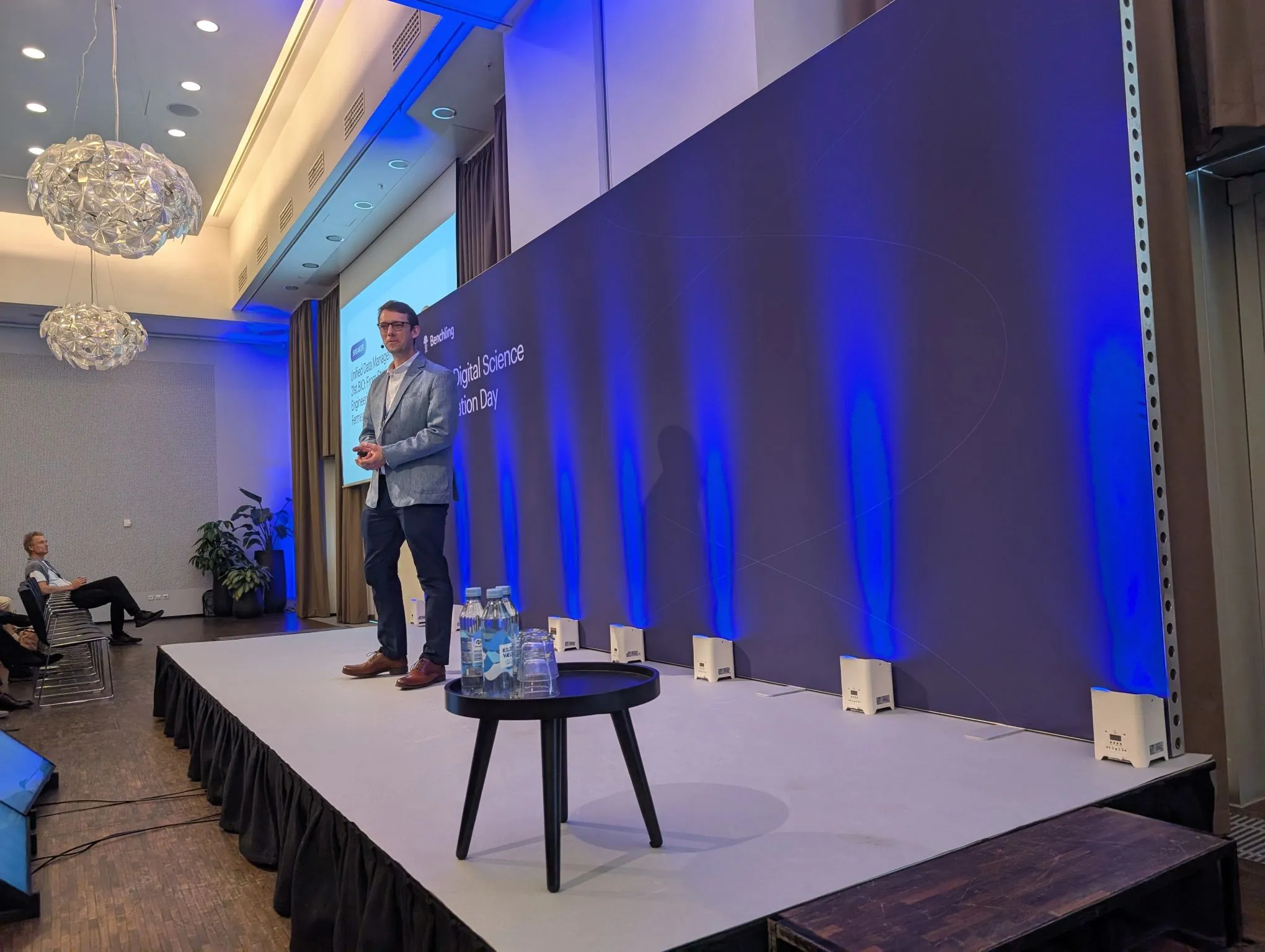
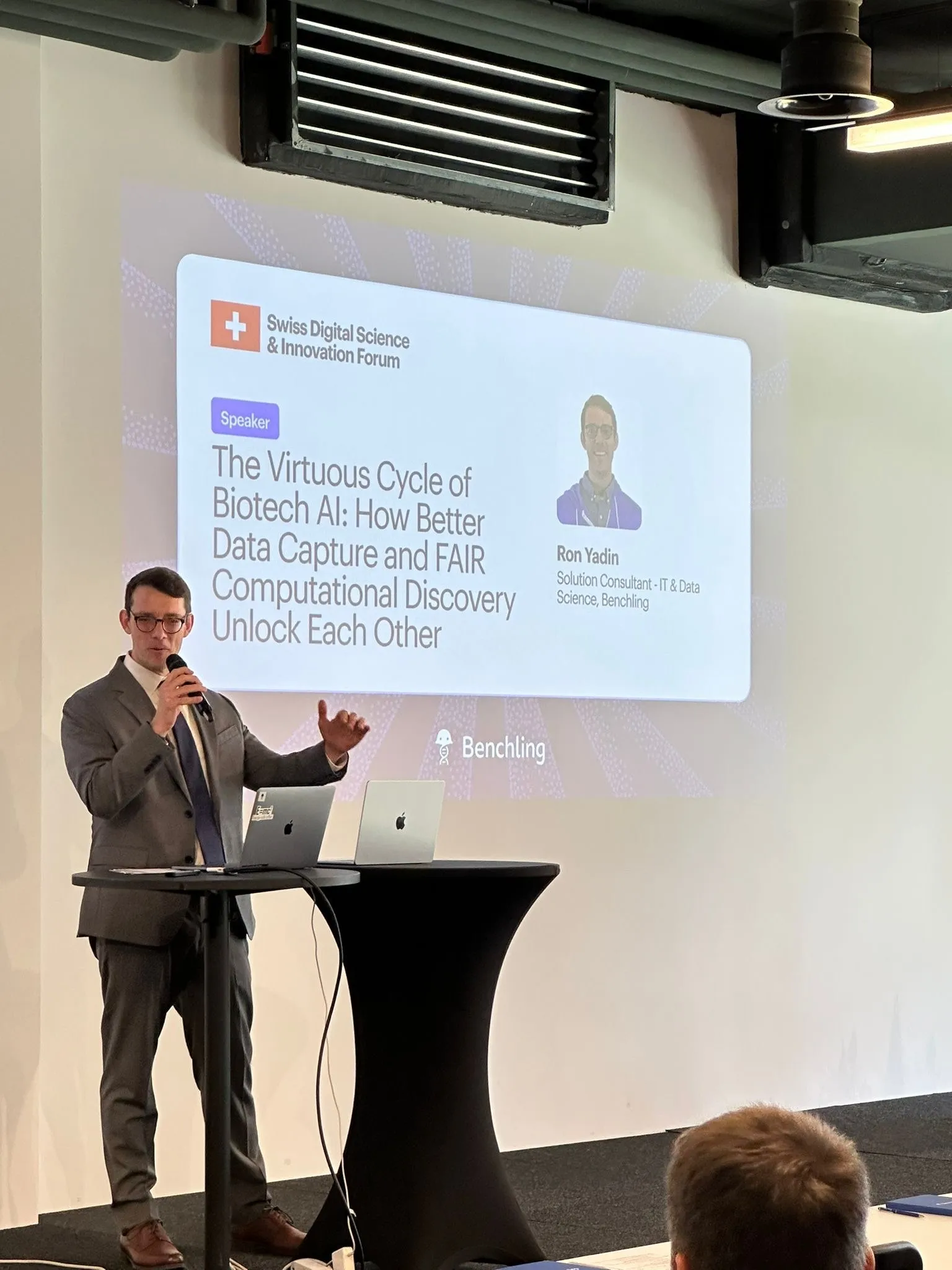
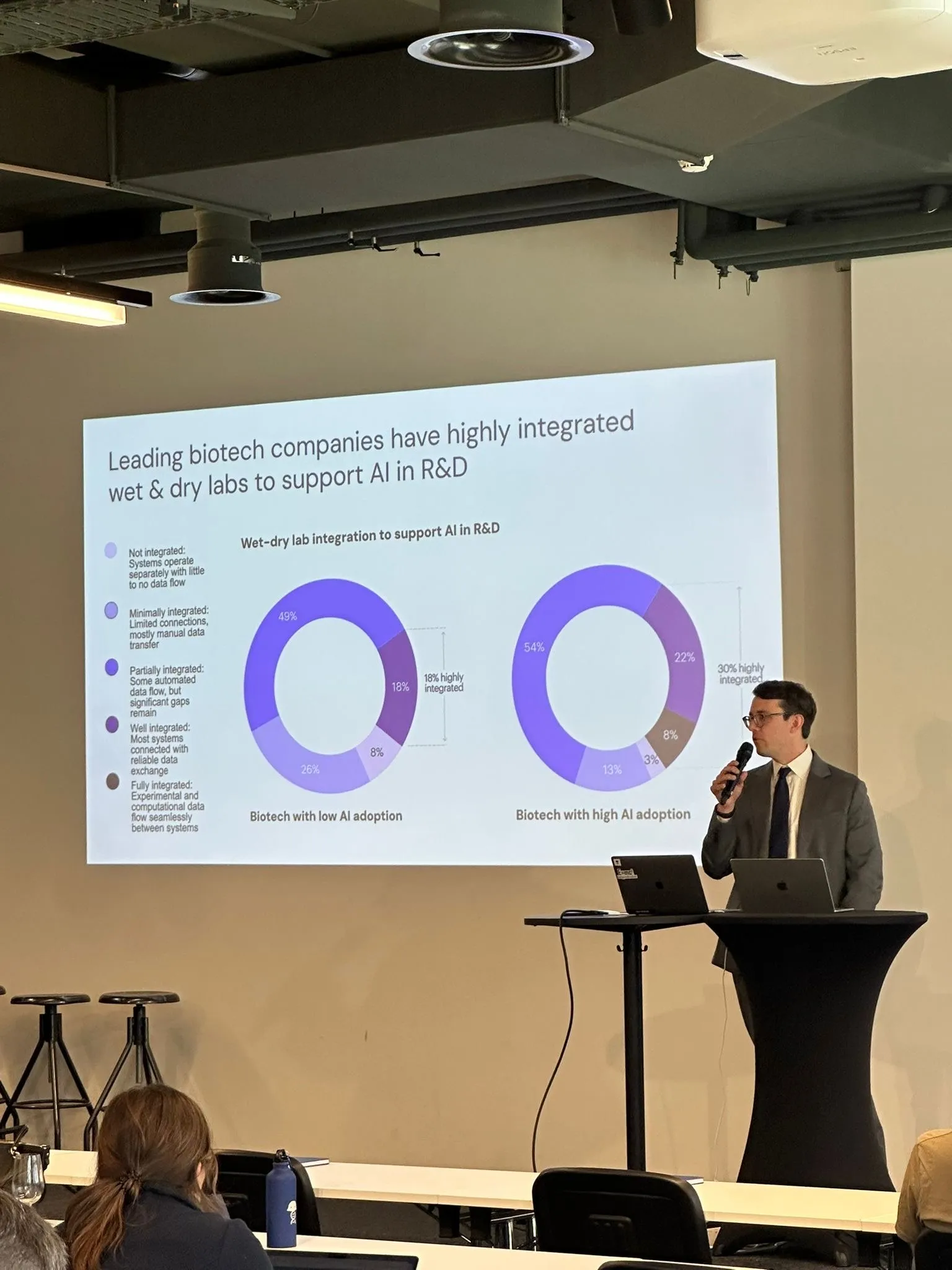
Years in industry, and more than a decade of practice explaining complex science clearly, have taken me to the stage three times — at Nordic Digital Science & Innovation Day 2025, the Swiss Digital Science & Innovation Forum 2026, and Benchtalk Boston 2026 — to share my vision for the future of digitalization, structured data capture, and AI across biotech R&D.